


🤝
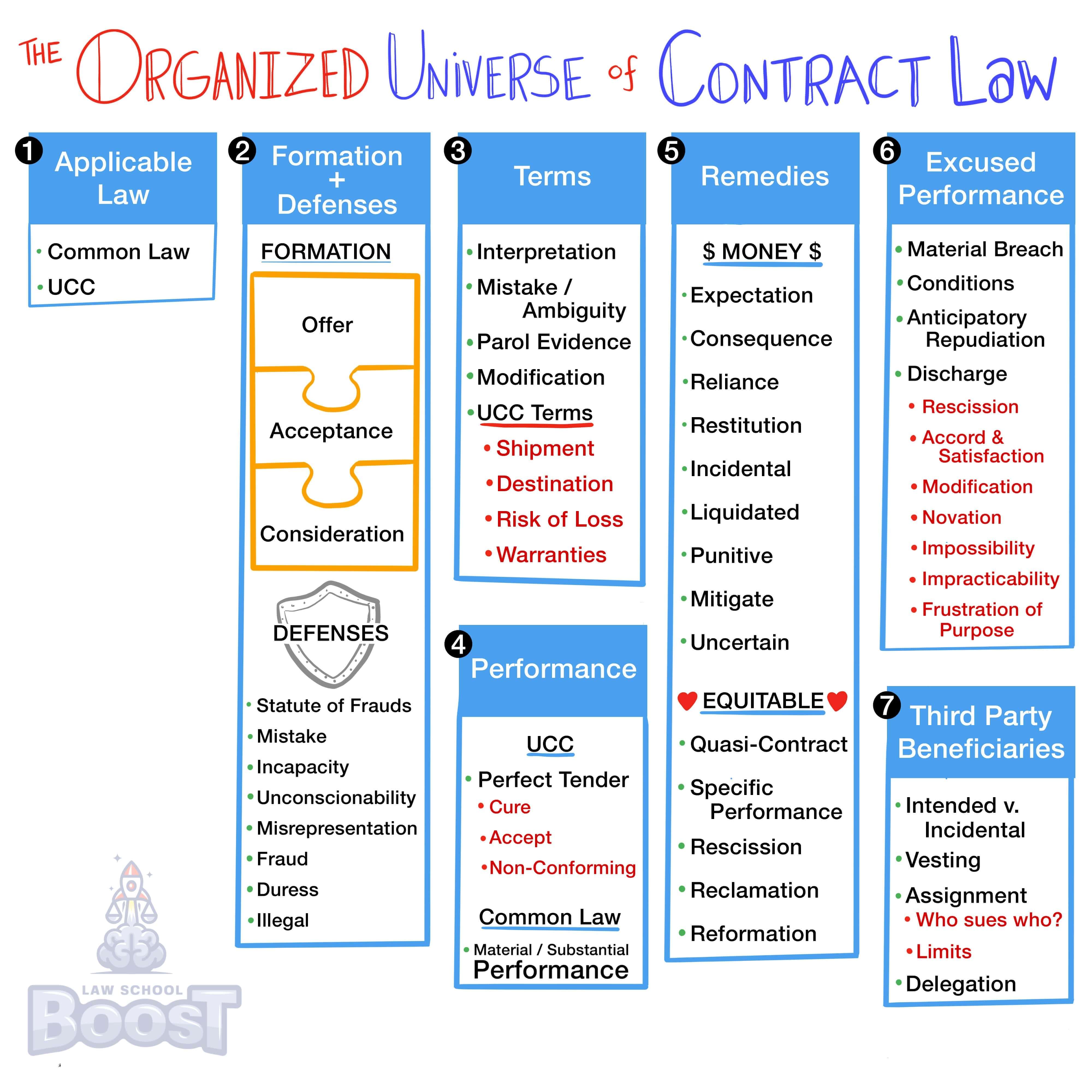
Contracts • Formation Requirements
K#043
Legal Definition
Past or moral consideration is only adequate in 2 situations: (1) if a past obligation is not enforceable due to a technical defense (e.g. Statute of Limitations), then it can become enforceable if a new promise is made in writing or is partially performed; and (2) if a past act benefited the promisor and the promisee performed at the promisor's request or in response to an emergency, then a subsequent promise to pay for that act is enforceable.
Plain English Explanation
"Past consideration" is consideration that is offered after-the-fact. For example, if someone gives you a bike as a gift, and in response you say, "Wow, this is too generous, let me pay you $100." This isn't a binding agreement to force you to actually pay $100, because the bike is already yours. The bike is "past consideration," and your offer to pay $100 is really just an offer to give a gift of $100, which you can later change your mind about.
Likewise, "moral consideration" happens when someone offers to do something based on a prior act because it feels like "the right thing to do." For example, if someone saves your life and, in the moment of your gratitude, you say, "Thank you so much for saving my life. Because you saved my life, I will give you my bike!" This is moral consideration, which is not valid consideration.
There are two exceptions you should be aware of. The first is when someone makes a new promise to perform an act that they were previously required to do but are no longer legally required to perform. For example, there are laws that limit how long debt can be collected. After this "statute of limitation" passes, a creditor cannot force someone to pay. But if the person who owes the money decides to make a new promise to pay in writing, or begins to make payments, it can create a new obligation to pay the debt.
Another exception is where the person who received the benefit either requested it, or it was in response to an emergency situation.
Likewise, "moral consideration" happens when someone offers to do something based on a prior act because it feels like "the right thing to do." For example, if someone saves your life and, in the moment of your gratitude, you say, "Thank you so much for saving my life. Because you saved my life, I will give you my bike!" This is moral consideration, which is not valid consideration.
There are two exceptions you should be aware of. The first is when someone makes a new promise to perform an act that they were previously required to do but are no longer legally required to perform. For example, there are laws that limit how long debt can be collected. After this "statute of limitation" passes, a creditor cannot force someone to pay. But if the person who owes the money decides to make a new promise to pay in writing, or begins to make payments, it can create a new obligation to pay the debt.
Another exception is where the person who received the benefit either requested it, or it was in response to an emergency situation.
Visual Aids