


🫶
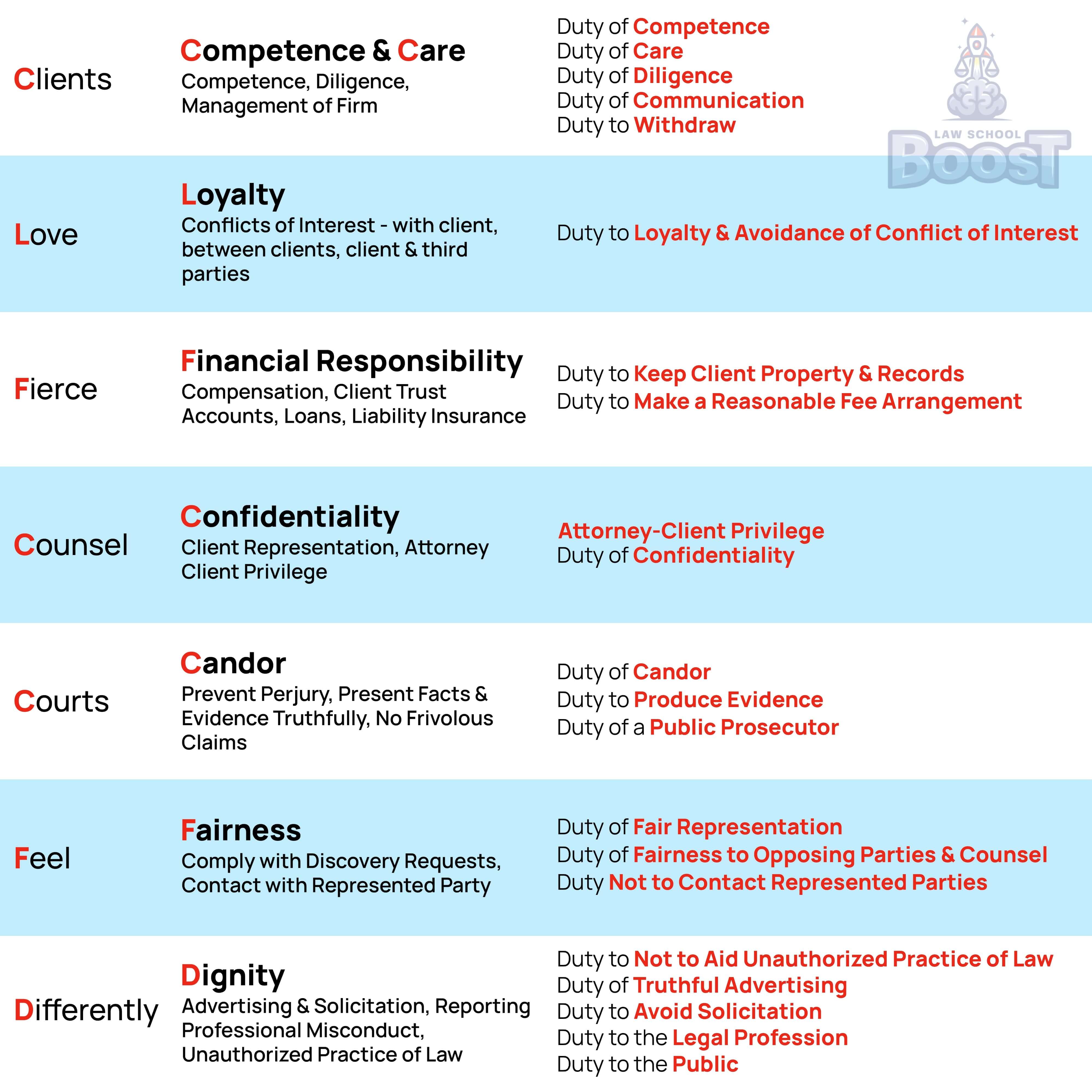
Prof Responsibility • Financial Duties
PR#016
Legal Definition
The ABA prohibits contingent fee arrangements in domestic relations matters and in the representation of defendants in criminal cases. According to Rule 1.5(d), these types of cases are specifically excluded from contingent fee arrangements. However, in domestic relations matters, a contingent fee arrangement is allowed when it is based on the recovery of post-judgment balances due under existing support, alimony, or other financial orders.
Plain English Explanation
The legal world has some strict rules about when lawyers can and can't use contingent fees in order to protect clients and maintain the integrity of the legal system.
First, let's talk about family law cases, also known as domestic relations matters. Generally, lawyers can't use contingent fees in these cases. This includes divorces, child custody disputes, and similar family issues. The reason is simple: we don't want lawyers to have a financial stake in breaking up families or prolonging family disputes.
However, there's one exception in family law: collecting past-due support or alimony. If someone owes back child support or alimony, a lawyer can take that case on contingency. This exception exists because collecting past-due payments is more like debt collection than a family matter.
The second big no-no for contingent fees is in criminal defense cases. When someone is accused of a crime, their lawyer absolutely cannot work on a contingency basis. Why? Because it could create some seriously unethical situations. Imagine if a defense lawyer only got paid if their client was found not guilty. That might tempt the lawyer to do anything to win, even if it meant breaking rules or ethics.
These prohibitions serve important purposes. In family law, they help ensure that lawyers aren't motivated to create or prolong family conflicts for their own financial gain. In criminal law, they help maintain the integrity of the justice system by ensuring that defense lawyers are focused on providing the best defense possible, not on securing a specific outcome for their own benefit.
For all other types of cases - personal injury, contract disputes, employment issues, and so on - contingent fees may be allowed, as long as they follow all the other rules about fee agreements.
First, let's talk about family law cases, also known as domestic relations matters. Generally, lawyers can't use contingent fees in these cases. This includes divorces, child custody disputes, and similar family issues. The reason is simple: we don't want lawyers to have a financial stake in breaking up families or prolonging family disputes.
However, there's one exception in family law: collecting past-due support or alimony. If someone owes back child support or alimony, a lawyer can take that case on contingency. This exception exists because collecting past-due payments is more like debt collection than a family matter.
The second big no-no for contingent fees is in criminal defense cases. When someone is accused of a crime, their lawyer absolutely cannot work on a contingency basis. Why? Because it could create some seriously unethical situations. Imagine if a defense lawyer only got paid if their client was found not guilty. That might tempt the lawyer to do anything to win, even if it meant breaking rules or ethics.
These prohibitions serve important purposes. In family law, they help ensure that lawyers aren't motivated to create or prolong family conflicts for their own financial gain. In criminal law, they help maintain the integrity of the justice system by ensuring that defense lawyers are focused on providing the best defense possible, not on securing a specific outcome for their own benefit.
For all other types of cases - personal injury, contract disputes, employment issues, and so on - contingent fees may be allowed, as long as they follow all the other rules about fee agreements.
Hypothetical
Hypo 1: Sam is going through a contentious divorce and wants to hire Bob as his lawyer. Sam, who is cash-strapped, suggests a contingency fee arrangement where Bob would get 30% of any property settlement. Bob refuses, explaining that contingency fees are not allowed in divorce cases. Result: Bob is correct in refusing this arrangement. Contingency fees are prohibited in domestic relations matters like divorce cases. This rule prevents lawyers from having a financial interest in the outcome of family disputes, which could potentially encourage conflicts or influence settlement decisions inappropriately.
Hypo 2: Sam has been arrested and charged with burglary. He approaches Bob, a criminal defense attorney, and proposes a contingency fee arrangement where Bob would receive 50% of Sam's assets if he's found not guilty. Bob immediately declines, stating it's unethical and illegal. Result: Bob's response is appropriate and required by the rules. Contingency fees are strictly prohibited in criminal defense cases. This prohibition ensures that defense attorneys are focused on providing the best defense possible, rather than being motivated by a specific outcome that would result in payment.
Hypo 3: Sam's ex-spouse owes him $50,000 in back alimony. Sam hires Bob to collect this debt, agreeing to a 25% contingency fee on any amount recovered. Bob accepts this arrangement. Result: This contingency fee arrangement is permissible. While contingency fees are generally prohibited in domestic relations matters, there's a specific exception for collecting past-due support or alimony. This scenario falls under that exception, allowing Bob to take the case on a contingency basis.
Hypo 2: Sam has been arrested and charged with burglary. He approaches Bob, a criminal defense attorney, and proposes a contingency fee arrangement where Bob would receive 50% of Sam's assets if he's found not guilty. Bob immediately declines, stating it's unethical and illegal. Result: Bob's response is appropriate and required by the rules. Contingency fees are strictly prohibited in criminal defense cases. This prohibition ensures that defense attorneys are focused on providing the best defense possible, rather than being motivated by a specific outcome that would result in payment.
Hypo 3: Sam's ex-spouse owes him $50,000 in back alimony. Sam hires Bob to collect this debt, agreeing to a 25% contingency fee on any amount recovered. Bob accepts this arrangement. Result: This contingency fee arrangement is permissible. While contingency fees are generally prohibited in domestic relations matters, there's a specific exception for collecting past-due support or alimony. This scenario falls under that exception, allowing Bob to take the case on a contingency basis.
Visual Aids