



🫶
Prof Responsibility • Loyalty
PR#039
Legal Definition
A lawyer may not appear as counsel and witness in the same trial unless: (1) their testimony is uncontested; (2) their testimony relates to the nature and value of services rendered; or (3) the lawyer's distinctive value to the case means withdrawal would impose substantial hardship on the client. According to Rule 3.7, if the testimony might create prejudice against the client, informed consent is required, and the conflict is imputed to colleagues.
Plain English Explanation
Imagine you're watching a play where an actor suddenly steps out of character, walks to the edge of the stage, and starts telling the audience what really happened. That's kind of what it's like when a lawyer becomes a witness in their own case. It's confusing, potentially disruptive, and might make the audience (or in a legal case, the jury) wonder what's really going on.
That's why the legal world generally frowns on lawyers playing dual roles as both advocate and witness. It's like trying to be both the storyteller and a character in the story at the same time - it can get messy.
But, as with many things in law, there are exceptions. Let's break them down:
(1) The "Everyone Agrees" Exception: If what the lawyer would say as a witness is something nobody disputes, then it's not really a problem. It's like if that actor stepped out of character to say, "Yes, the sky is blue," and everyone nodded in agreement.
(2) The "Talking About the Bill" Exception: Lawyers are allowed to testify about their own work and fees. This makes sense - who better to explain a lawyer's services than the lawyer themselves?
(3) The "Irreplaceable Lawyer" Exception: Sometimes, a lawyer is so crucial to a case that replacing them would be a huge blow to the client, but their unique knowledge of something relevant to the case is deemed worthy for testimony. In these rare cases, the lawyer might be allowed to testify. It's like if that actor was the only person in the world who knew how the play was supposed to end.
Now, here's where it gets a bit more complicated. If the lawyer's testimony might actually harm their client's case, they need to get the client's okay first. And not just a casual "yeah, sure" - we're talking about informed consent, where the client actually understands all the potential risks.
Finally, this rule doesn't just apply to the individual lawyer - it extends to their whole law firm. It's as if the entire cast of the play has to follow the same rules, not just the one actor who stepped out of character.
That's why the legal world generally frowns on lawyers playing dual roles as both advocate and witness. It's like trying to be both the storyteller and a character in the story at the same time - it can get messy.
But, as with many things in law, there are exceptions. Let's break them down:
(1) The "Everyone Agrees" Exception: If what the lawyer would say as a witness is something nobody disputes, then it's not really a problem. It's like if that actor stepped out of character to say, "Yes, the sky is blue," and everyone nodded in agreement.
(2) The "Talking About the Bill" Exception: Lawyers are allowed to testify about their own work and fees. This makes sense - who better to explain a lawyer's services than the lawyer themselves?
(3) The "Irreplaceable Lawyer" Exception: Sometimes, a lawyer is so crucial to a case that replacing them would be a huge blow to the client, but their unique knowledge of something relevant to the case is deemed worthy for testimony. In these rare cases, the lawyer might be allowed to testify. It's like if that actor was the only person in the world who knew how the play was supposed to end.
Now, here's where it gets a bit more complicated. If the lawyer's testimony might actually harm their client's case, they need to get the client's okay first. And not just a casual "yeah, sure" - we're talking about informed consent, where the client actually understands all the potential risks.
Finally, this rule doesn't just apply to the individual lawyer - it extends to their whole law firm. It's as if the entire cast of the play has to follow the same rules, not just the one actor who stepped out of character.
Hypothetical
Hypo 1: Bob is representing Sam in a contract dispute. During the trial, it becomes clear that Bob was present when the contract was signed. The opposing counsel asks to call Bob as a witness to testify about what he observed. Result: This situation is problematic under Rule 3.7(a). Bob's testimony would likely be contested and doesn't fall under the exceptions. If Bob's testimony is necessary, he may need to withdraw from representing Sam and act only as a witness. If Bob believes his testimony is crucial and his withdrawal would substantially harm Sam's case, he could potentially continue under the third exception, but would need to carefully evaluate the situation and possibly obtain Sam's informed consent.
Hypo 2: Sam is suing his former business partner, and Bob is representing him. During the trial, a question arises about the legal fees Sam has paid. The judge asks Bob to testify about the nature and value of his services. Result: This scenario falls under the second exception in Rule 3.7(a). Bob can testify about the nature and value of the legal services he provided to Sam without violating the rule. This type of testimony is specifically allowed because the lawyer is uniquely positioned to provide this information, and it's unlikely to prejudice the client's case.
Hypo 3: Bob is representing Sam in a complex patent infringement case. Bob is also a renowned expert in the specific technology at issue. The opposing counsel wants to call Bob as an expert witness due to his expertise. Result: This is a challenging situation under Rule 3.7(a). While Bob's testimony would likely be contested, it might fall under the third exception if Bob's expertise makes him distinctively valuable to the case and his withdrawal would impose substantial hardship on Sam. However, Bob would need to carefully consider whether his testimony might create prejudice against Sam. If so, he would need Sam's informed consent to proceed. Bob should also consider whether another expert could provide similar testimony, which might negate the "substantial hardship" argument.
Hypo 4: Sam is involved in a personal injury lawsuit, and Bob is his lawyer. The only other witness to the accident was Bob's law partner, Amy. The defense wants to call Amy as a witness. Result: This scenario implicates the imputation aspect of Rule 3.7(a). Even though Bob himself wouldn't be testifying, the rule's prohibition extends to his colleagues in the same firm. If Amy's testimony is necessary and might be contested, Bob's firm may need to withdraw from representing Sam, unless they can argue that withdrawal would cause substantial hardship to Sam. If Amy's testimony might create prejudice against Sam, informed consent would be required.
Hypo 5: Bob is representing Sam in a property dispute. During the trial, a question arises about the property boundaries. Bob happens to live next door to the property in question and has uncontested knowledge about the boundary lines. The judge asks if Bob can testify to this fact. Result: This situation likely falls under the first exception in Rule 3.7(a). If Bob's testimony about the property boundaries is truly uncontested, he may be able to testify without violating the rule. However, Bob should be cautious and ensure that his testimony is indeed uncontested and won't create any prejudice against Sam. If there's any doubt, Bob should consider having someone else testify about the boundaries or seek Sam's informed consent before proceeding.
Hypo 2: Sam is suing his former business partner, and Bob is representing him. During the trial, a question arises about the legal fees Sam has paid. The judge asks Bob to testify about the nature and value of his services. Result: This scenario falls under the second exception in Rule 3.7(a). Bob can testify about the nature and value of the legal services he provided to Sam without violating the rule. This type of testimony is specifically allowed because the lawyer is uniquely positioned to provide this information, and it's unlikely to prejudice the client's case.
Hypo 3: Bob is representing Sam in a complex patent infringement case. Bob is also a renowned expert in the specific technology at issue. The opposing counsel wants to call Bob as an expert witness due to his expertise. Result: This is a challenging situation under Rule 3.7(a). While Bob's testimony would likely be contested, it might fall under the third exception if Bob's expertise makes him distinctively valuable to the case and his withdrawal would impose substantial hardship on Sam. However, Bob would need to carefully consider whether his testimony might create prejudice against Sam. If so, he would need Sam's informed consent to proceed. Bob should also consider whether another expert could provide similar testimony, which might negate the "substantial hardship" argument.
Hypo 4: Sam is involved in a personal injury lawsuit, and Bob is his lawyer. The only other witness to the accident was Bob's law partner, Amy. The defense wants to call Amy as a witness. Result: This scenario implicates the imputation aspect of Rule 3.7(a). Even though Bob himself wouldn't be testifying, the rule's prohibition extends to his colleagues in the same firm. If Amy's testimony is necessary and might be contested, Bob's firm may need to withdraw from representing Sam, unless they can argue that withdrawal would cause substantial hardship to Sam. If Amy's testimony might create prejudice against Sam, informed consent would be required.
Hypo 5: Bob is representing Sam in a property dispute. During the trial, a question arises about the property boundaries. Bob happens to live next door to the property in question and has uncontested knowledge about the boundary lines. The judge asks if Bob can testify to this fact. Result: This situation likely falls under the first exception in Rule 3.7(a). If Bob's testimony about the property boundaries is truly uncontested, he may be able to testify without violating the rule. However, Bob should be cautious and ensure that his testimony is indeed uncontested and won't create any prejudice against Sam. If there's any doubt, Bob should consider having someone else testify about the boundaries or seek Sam's informed consent before proceeding.
Visual Aids
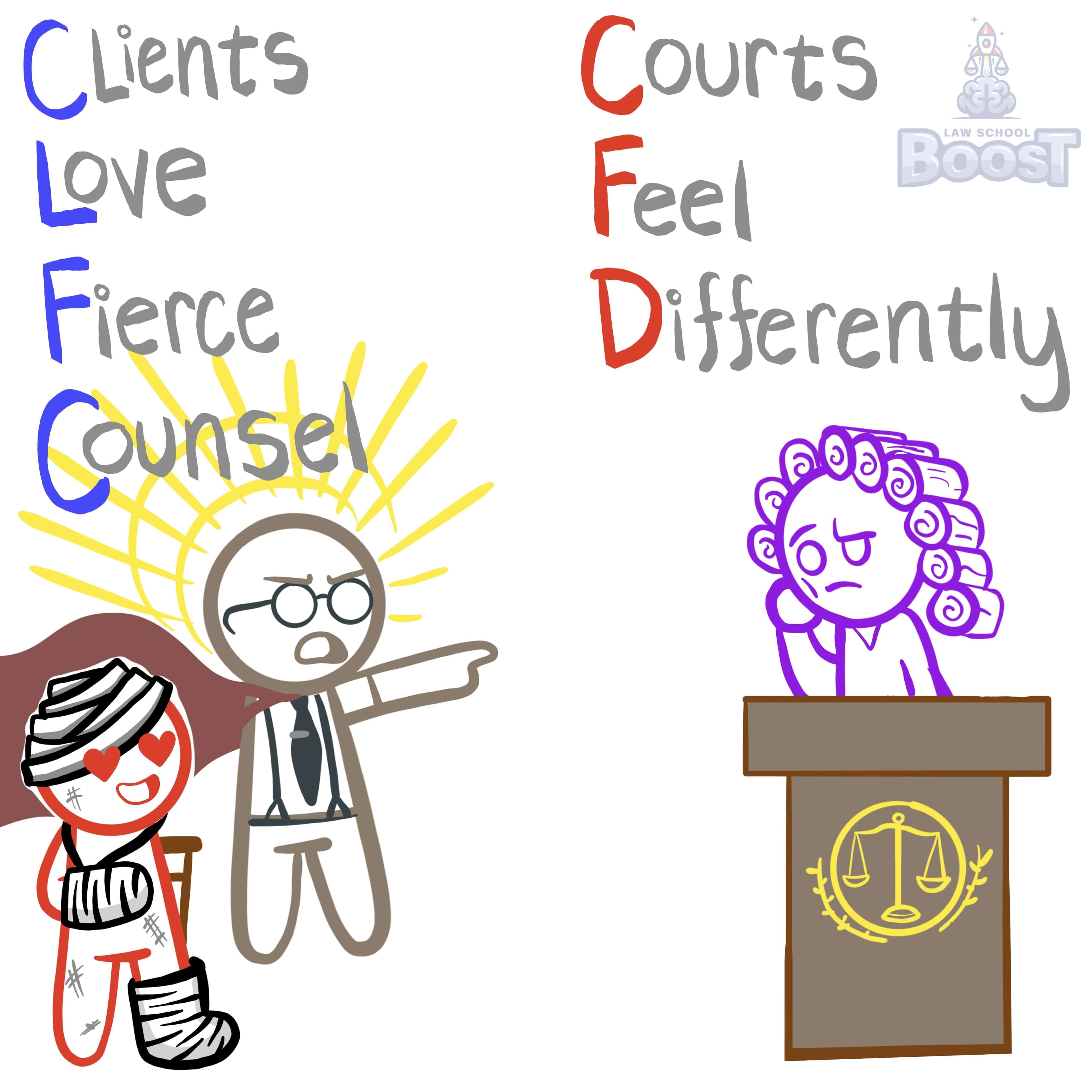
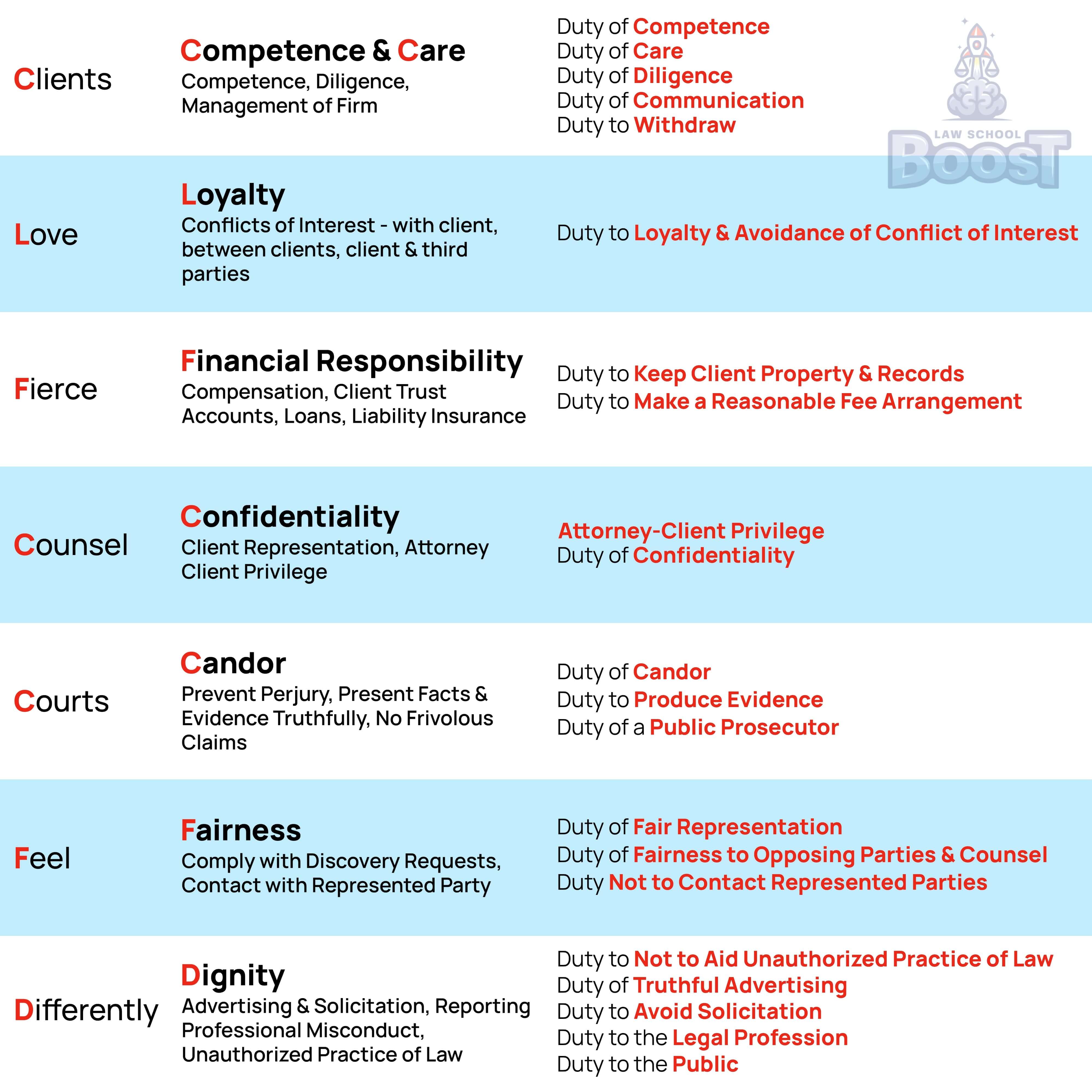
Related Concepts
Does representing clients with inconsistent positions violate the lawyer's Duty of Loyalty?
In assessing the Duty of Loyalty, what's the difference between an actual conflict and a potential conflict?
In California, what are the restrictions related to lawyers acquiring the media rights of their clients?
What are some common issues that occur when a lawyer represents multiple clients in the same matter?
What are the restrictions related to lawyers receiving gifts from their clients?