



🤝
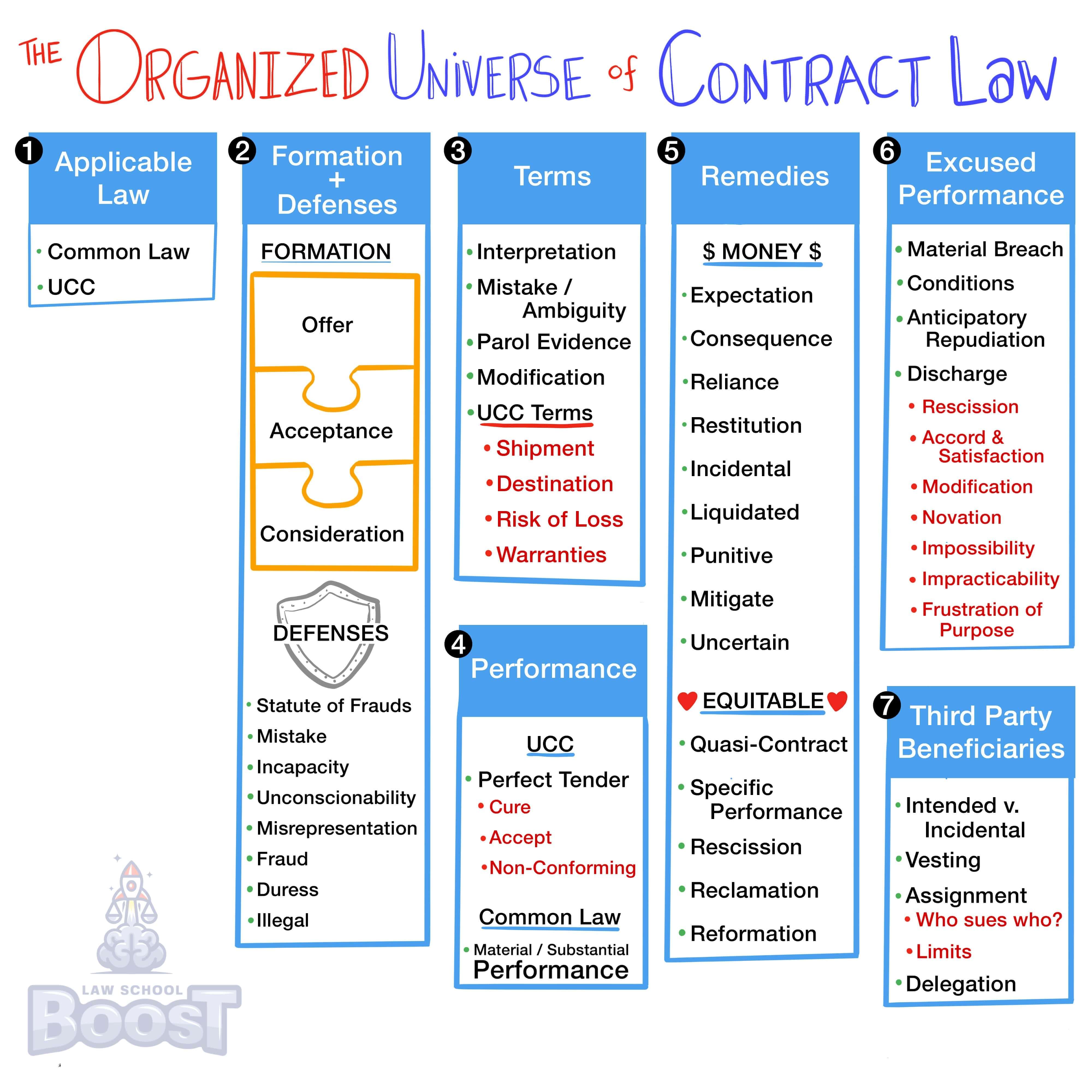
Contracts • Excuse of Non-Performance
K#141
Legal Definition
Under common law, destruction of the subject matter triggers the doctrine of impossibility. However, under the UCC, it depends on which party bears the risk of loss. If the buyer bears the risk of loss, the buyer must pay for the goods. If the seller bears the risk of loss, the buyer is not obligated to pay and his ability to receive damages depends on the facts.
Plain English Explanation
When you're dealing with services and non-goods, then the destruction of the subject matter means there is no longer any service to provide because the thing you were going to service was destroyed. In other words, if Sam agrees to paint Bob's house for $300, but before Sam can paint, the house explodes into a million pieces, it is now impossible for Sam to perform under the contract. The subject matter of the contract is Bob's house, and Bob's house doesn't exist anymore.
In contrast, when dealing with goods under the UCC, it will depend on who bears the risk of loss, which is discussed in other cards.
In contrast, when dealing with goods under the UCC, it will depend on who bears the risk of loss, which is discussed in other cards.
Visual Aids
Related Concepts
Under common law, is late performance a material breach?
Under common law, when is counter-performance excused?
Under common law, when may a breaching party recover in a divisible contract?
Under contract law, what is a modification?
What is excuse due to anticipatory repudiation?
What is excuse due to improper performance?
What is frustration of purpose?
What is impracticability?
What is the doctrine of impossibility?
What level of compliance is required to satisfy an express condition?
What options does the non-breaching party have in response to an anticipatory repudiation?