



🤝
Contracts • Third Parties
K#178
Legal Definition
If the third-party beneficiary sues the promisor, the promisor may assert any defense they would have had if sued by the promisee.
Plain English Explanation
The law treats the beneficiary as if they had stepped into the shoes of the original promisee, so any defense the promisor had against the promisee can be used against the beneficiary.
Hypothetical
Hypo 1: Bob owes Amy $100. Bob threatens Sam to mow Amy's lawn to satisfy his debt to Amy. Sam decides not to mow Amy's lawn. Result: Bob is the promisee. Amy is a creditor beneficiary. Sam is the promisor. Amy can sue Sam for his breach of the agreement. However, Sam will likely claim a defense of duress. Even though Amy never threatened Sam, Bob did, and so the defense is valid even against Amy.
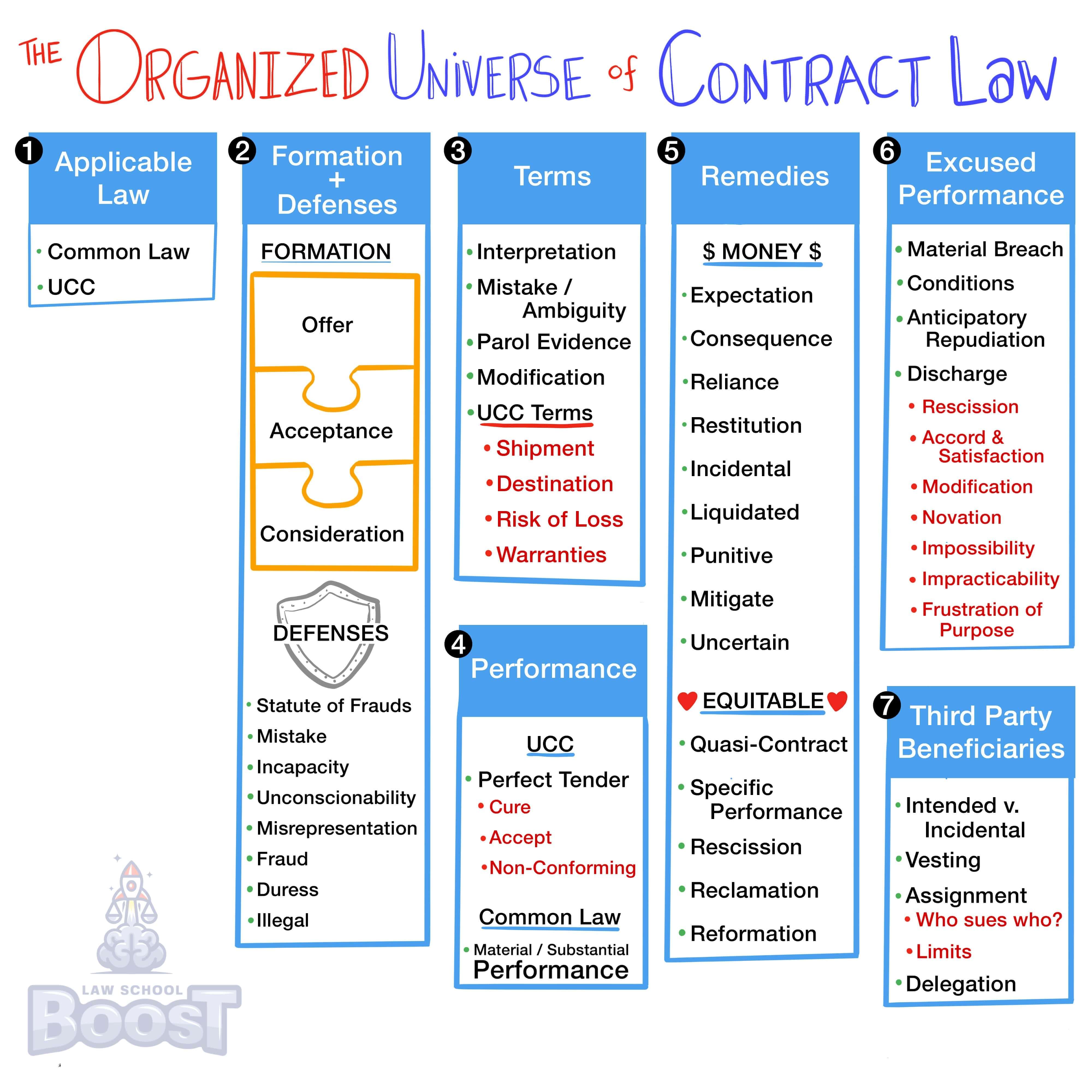
Visual Aids
Related Concepts
In a third-party beneficiary situation, who is the third-party beneificiary, who is the promisor, and who is the promisee?
What is a promisee?
What is a promisor?
What is the difference between an incidental and intended beneficiary?
What two types of intended beneficiaries are there?
When do a third party's rights to enforce the contract vest?
Who can sue whom in a suit involving beneficiaries, promisees, and promisors?
Who can sue whom in a suit involving the delegation of duties?