



🤝
Contracts • Third Parties
K#175
Legal Definition
Intended beneficiaries are either donees or creditors (usually donees). Look to whether the third-party beneficiary was a creditor of the promisee before the contract.
Plain English Explanation
When you have identified an intended beneficiary to a contract, the next thing you need to figure out is whether or not the beneficiary is classified as a donee or a creditor. Why? Because their classification will affect what rights they have (which we discuss in later cards).
Hypothetical
Hypo 1: Bob's friend, Amy, is having a birthday soon. As a gift, Bob offers Sam $100 to paint Amy's house. Sam agrees. Result: Amy is a donee third-party beneficiary.
Hypo 2: Bob owes Amy a bicycle from a previous agreement they had. Unfortunately, Bob doesn't have a bicycle anymore. Instead, he asks Amy if she would accept her house being painted. Amy agrees. Bob offers Sam $100 to paint Amy's house. Sam agrees. Result: Amy is a creditor third-party beneficiary.
Hypo 2: Bob owes Amy a bicycle from a previous agreement they had. Unfortunately, Bob doesn't have a bicycle anymore. Instead, he asks Amy if she would accept her house being painted. Amy agrees. Bob offers Sam $100 to paint Amy's house. Sam agrees. Result: Amy is a creditor third-party beneficiary.
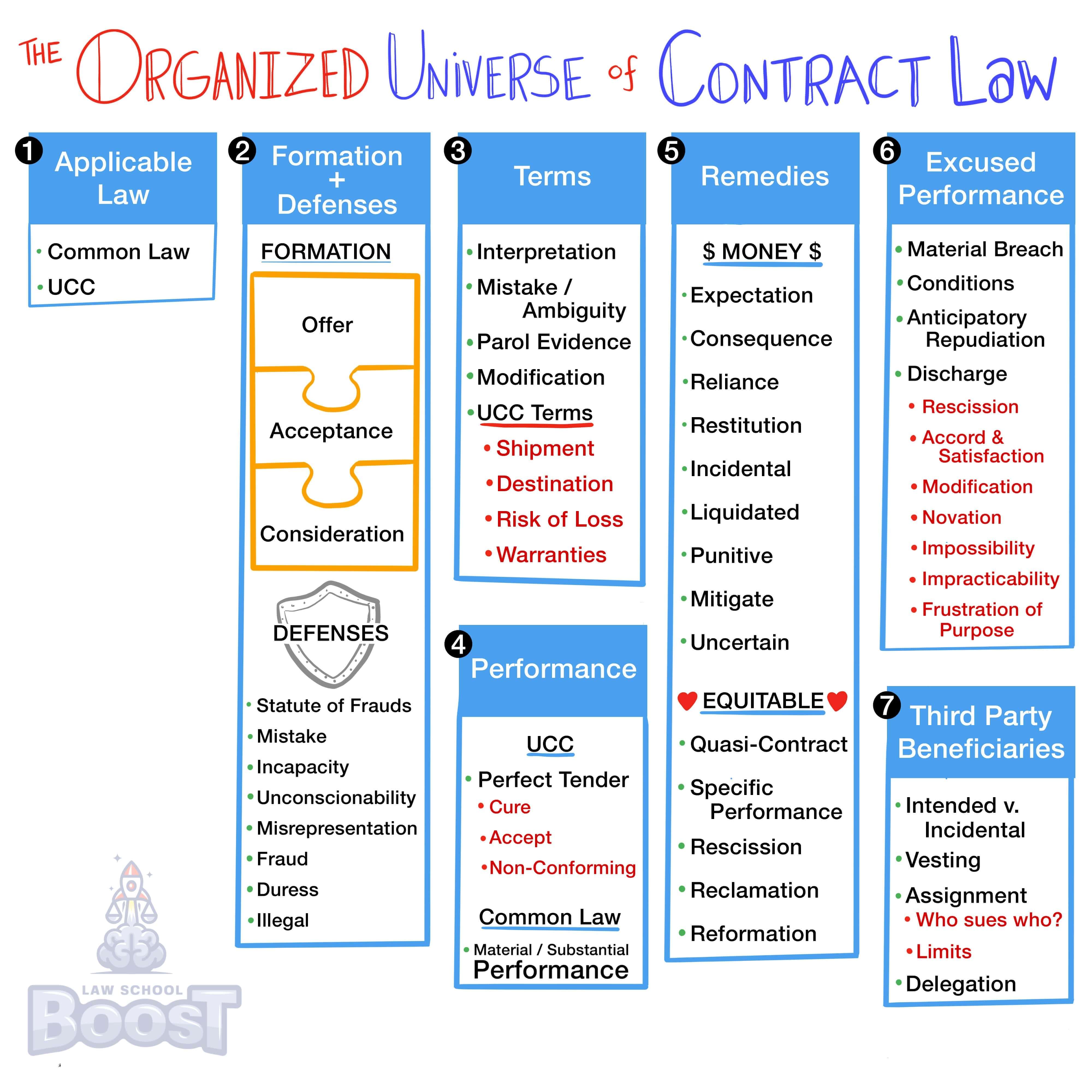
Visual Aids
Related Concepts
In a third-party beneficiary situation, who is the third-party beneificiary, who is the promisor, and who is the promisee?
What defenses may a promisor assert against a third-party beneficiary?
What is a promisee?
What is a promisor?
What is the difference between an incidental and intended beneficiary?
When do a third party's rights to enforce the contract vest?
Who can sue whom in a suit involving beneficiaries, promisees, and promisors?
Who can sue whom in a suit involving the delegation of duties?