



🤝
Contracts • Third Parties
K#171
Legal Definition
A third-party beneficiary is not a party to the contract, but may still enforce a contract made for their benefit. The promisor is the person making the promise that benefits a third party (i.e., the person who gives his performance—payment—to the third party). The promisee is the person who obtains the promise that benefits a third party.
Plain English Explanation
Let’s break down third-party beneficiaries in contracts, using simple language and an example involving Bob, Amy, and Sam.
First, who are we dealing with?
(1) Third-Party Beneficiary: This is someone who isn’t directly part of the contract but still benefits from it. Picture this: Amy promises Bob that she will give Sam $100 on Bob’s behalf. Sam is the third-party beneficiary here. He’s not part of the agreement between Amy and Bob, but he gets the benefit—$100.
(2) Promisor: This is the person who makes the promise that benefits the third party. In our example, Amy is the promisor because she’s the one who promises to give Sam $100. She’s the one responsible for performing the act—delivering the money.
(3) Promisee: This is the person who makes the deal and secures the promise from the promisor. In this case, Bob is the promisee. He’s the one who made an agreement with Amy to have her give Sam the money. Bob doesn’t get the benefit himself, but he’s the one who made sure it would happen.
First, who are we dealing with?
(1) Third-Party Beneficiary: This is someone who isn’t directly part of the contract but still benefits from it. Picture this: Amy promises Bob that she will give Sam $100 on Bob’s behalf. Sam is the third-party beneficiary here. He’s not part of the agreement between Amy and Bob, but he gets the benefit—$100.
(2) Promisor: This is the person who makes the promise that benefits the third party. In our example, Amy is the promisor because she’s the one who promises to give Sam $100. She’s the one responsible for performing the act—delivering the money.
(3) Promisee: This is the person who makes the deal and secures the promise from the promisor. In this case, Bob is the promisee. He’s the one who made an agreement with Amy to have her give Sam the money. Bob doesn’t get the benefit himself, but he’s the one who made sure it would happen.
Hypothetical
Hypo 1: Bob offers Sam $100 to paint Amy's house. Sam agrees. Result: Bob is obligated to pay Sam $100, and Sam is obligated to paint Amy's house. Here, Bob is the promisee and Sam is the promisor. They are both parties to the contract. Amy is a third-party beneficiary of the contract.
Visual Aids
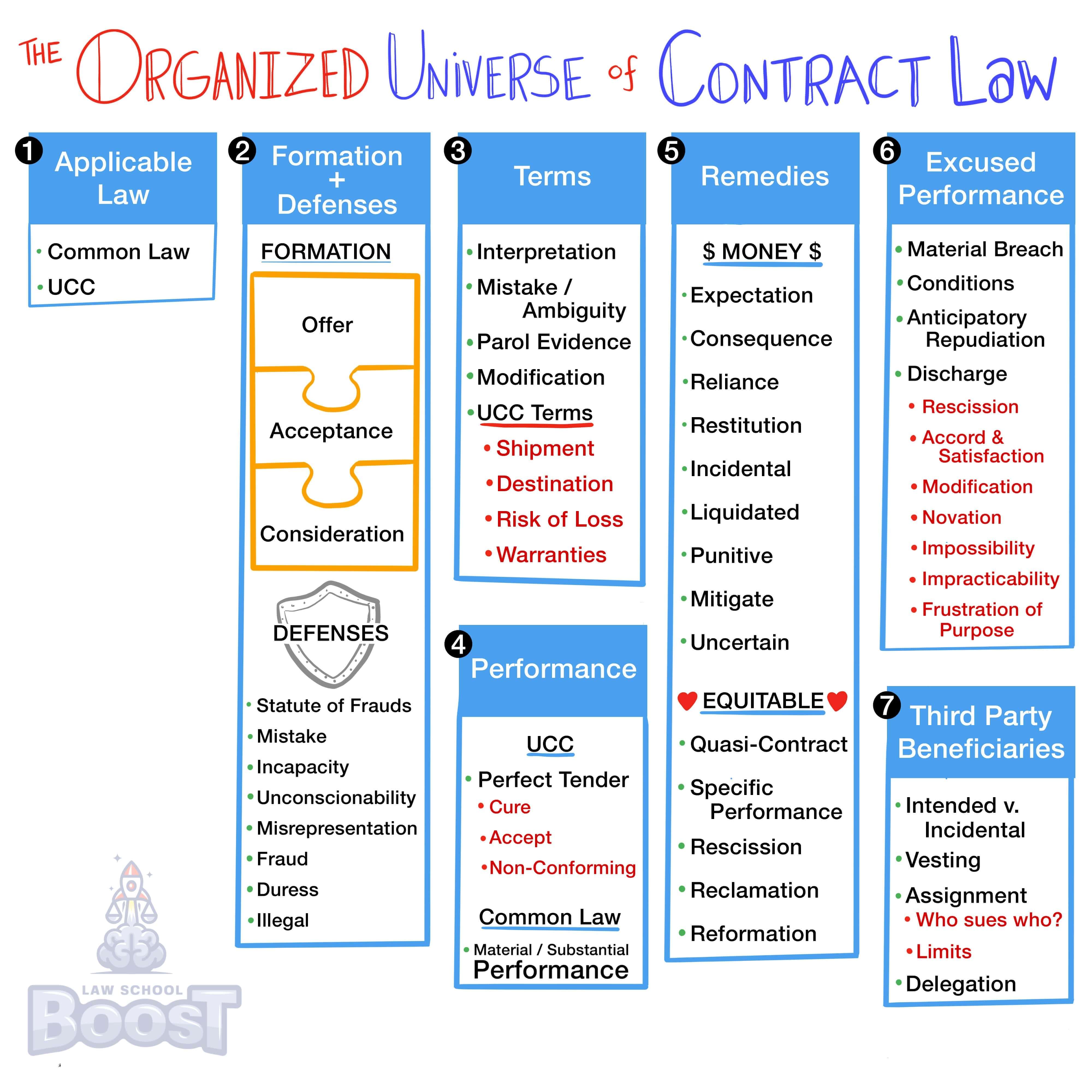
Related Concepts
What defenses may a promisor assert against a third-party beneficiary?
What is a promisee?
What is a promisor?
What is the difference between an incidental and intended beneficiary?
What two types of intended beneficiaries are there?
When do a third party's rights to enforce the contract vest?
Who can sue whom in a suit involving beneficiaries, promisees, and promisors?
Who can sue whom in a suit involving the delegation of duties?